HomeBlogBlogBiophilic Interior Design Guide: Modern Plants & Wellness

Biophilic Interior Design Guide: Modern Plants & Wellness

Biophilic Interior Design Guide: Modern Plants & Wellness

Biophilic Interior Design: A Digital Guide to Natural Decor, Wellness, and Modern Plant Styling

Biophilic interior design brings nature’s patterns, materials, and living elements indoors to support comfort, focus, and everyday well-being. This digital download guide helps translate biophilic principles into practical home updates—whether the goal is a calmer bedroom, a more energizing home office, or a modern living space with plants that actually thrive.

What Biophilic Design Looks Like at Home

Biophilic design is less about “adding greenery” and more about increasing meaningful contact with nature through light, materials, views, and living elements. The most successful spaces feel grounded and breathable—like the room is working with your daily rhythm rather than fighting it.

  • Direct experiences of nature: indoor plants, daylight, fresh air, water sounds, and natural ventilation when possible.
  • Indirect experiences: wood grain, stone, clay, linen, rattan, botanical prints, and nature-inspired color palettes.
  • Spatial experiences: cozy refuges, clear sightlines, layered lighting, and gentle transitions between zones.
  • Modern biophilic style: clean lines plus warm textures, sculptural greenery, and uncluttered surfaces that let natural elements stand out.

Wellness Benefits Linked to Nature-Inspired Spaces

Nature cues can help a home feel calmer and more supportive—especially when you prioritize light, airflow, and tactile materials before buying décor. Many wellness-focused building frameworks emphasize these environmental factors, including air and light quality (see the WELL Building Standard concepts).

  • Support for stress recovery: softer sensory input, natural materials, and visual greenery can encourage relaxation.
  • Better focus and mental clarity: daylight access and nature cues can help reduce fatigue during work or study.
  • Improved comfort year-round: balancing humidity, airflow, and glare can make a room feel easier to live in.
  • Sleep-friendly bedrooms: calming colors, reduced nighttime glare, and breathable textiles help create a restorative environment.
  • Practical takeaway: the most effective upgrades are often lighting, layout, and materials—plants are a finishing layer, not the only layer.

For a deeper look at why indoor air and ventilation matter, the Harvard T.H. Chan School of Public Health provides helpful context on indoor air quality.

A Simple Room-by-Room Biophilic Plan

Start with changes that make the space feel calmer and function better, then add living elements once the “container” is right.

  • Entryway: add a durable plant, a natural-fiber runner, and a small wood tray to reduce visual clutter.
  • Living room: anchor the space with one large plant, varied textures (linen, wool, wood), and layered lighting for evening calm.
  • Kitchen/dining: use herbs near a bright window, wood boards or stone surfaces, and warm bulbs to balance task lighting.
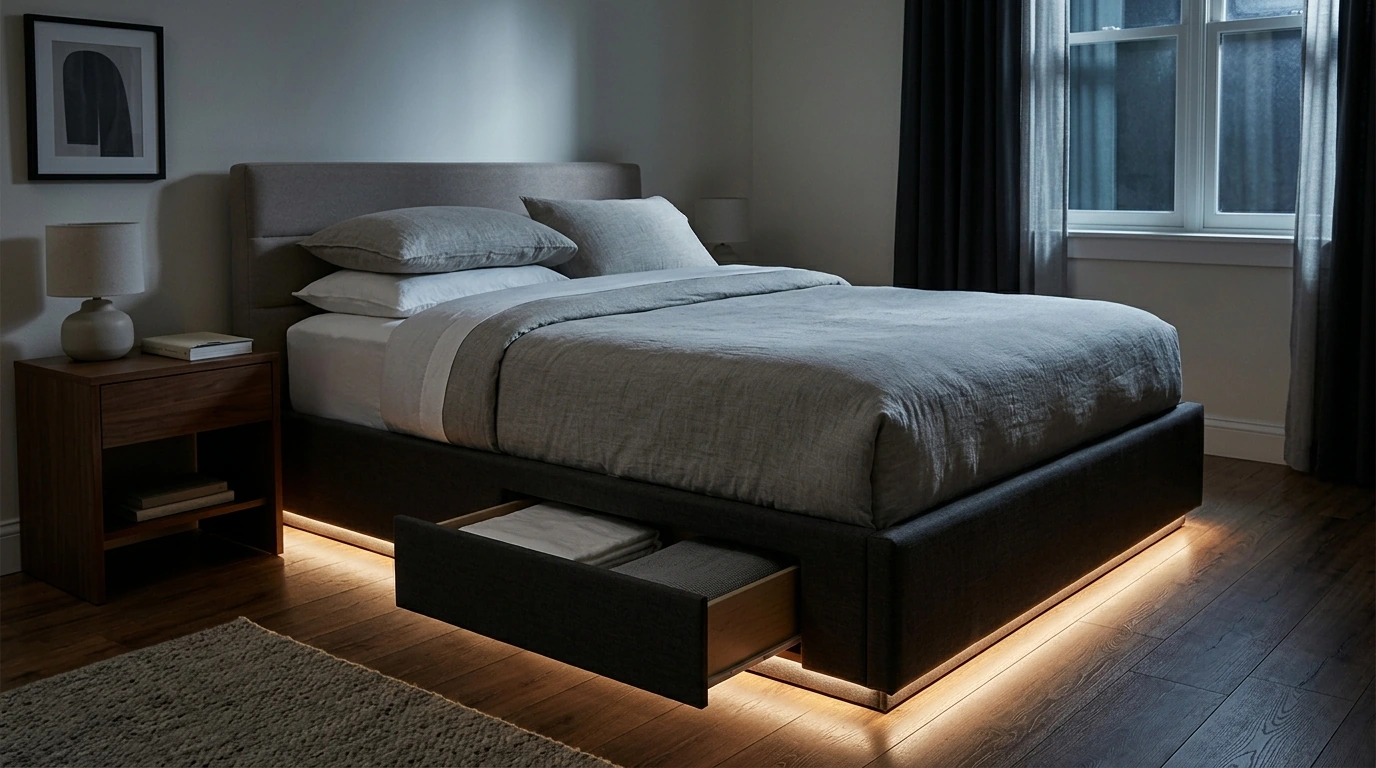
  • Bedroom: prioritize blackout + morning light access, breathable bedding, and minimal bedside clutter for a refuge effect.
  • Home office: place greenery in the visual field, reduce screen glare with sheer curtains, and add a tactile desk surface or mat.
  • Small spaces: use vertical plant stands, wall-mounted planters (with drip protection), and mirrors to bounce daylight.

Indoor Plants That Fit Modern Interiors (and Real-Life Schedules)

Modern biophilic styling looks best when plants feel intentional: fewer pots, stronger silhouettes, and placement based on actual light. A classic tip is to pick plants by conditions first, not by looks. (For historical context on plants and indoor air, NASA’s study on interior landscape plants for indoor air pollution abatement is widely cited.)

  • Choose by light level first: bright indirect (near windows), medium (a few feet back), low (limited natural light).
  • Match plant size to visual weight: one tall floor plant can replace multiple small pots and looks cleaner.
  • Set up for success: drainage holes, saucers, and a gritty soil mix help prevent overwatering.
  • Group by care needs: place plants with similar watering and light requirements together to simplify routines.
  • If pets are present: confirm toxicity before buying or position plants out of reach using shelves or hanging options.

Quick Plant Pairing Guide

Home zone Light tendency Plant style options Low-effort care tip
Living room corner Bright to medium Fiddle-leaf fig (bright), rubber plant (medium) Water only when top inches are dry; rotate monthly for even growth
Bedroom dresser Medium Pothos, philodendron Let vines trail to soften modern lines; avoid soaking the pot
Bathroom shelf Medium with humidity Fern (if bright), pothos (if medium) Use a pebble tray to stabilize humidity without overwatering
Home office desk Bright indirect Snake plant (tolerant), ZZ plant (tolerant) Keep in a smaller pot to prevent soggy soil; wipe leaves for better light absorption
Kitchen window Bright Herbs (basil, mint), small citrus (advanced) Water more frequently but lightly; ensure strong drainage

Sustainable Biophilic Choices Without a Full Renovation

Biophilic warmth doesn’t require a remodel. It’s often a series of small swaps that make the home feel more natural to touch, see, and live in.

Using the Digital Guide: A Practical 7-Day Reset

Digital Download Details and What’s Included

FAQ

Is biophilic design just adding indoor plants?

No. Plants are a powerful piece, but biophilic design also includes daylight, airflow, natural materials and textures, and a layout that feels comfortable—like clear pathways and cozy “refuge” corners.

What are the easiest biophilic upgrades for a small apartment?

Start with daylight management (sheers, mirrors, glare control), then add one statement plant, a natural-fiber textile, and a wood or ceramic catchall to reduce clutter. Vertical plant stands or wall-mounted planters help save floor space.

How many plants are needed for a biophilic look without feeling cluttered?

A simple approach is “one large + two medium/small” per main room, leaving negative space so the greenery reads as intentional. Group plants with similar care needs to keep maintenance easy and consistent.

Was this article helpful?

Yes No
Leave a comment
Top

Shopping cart

×