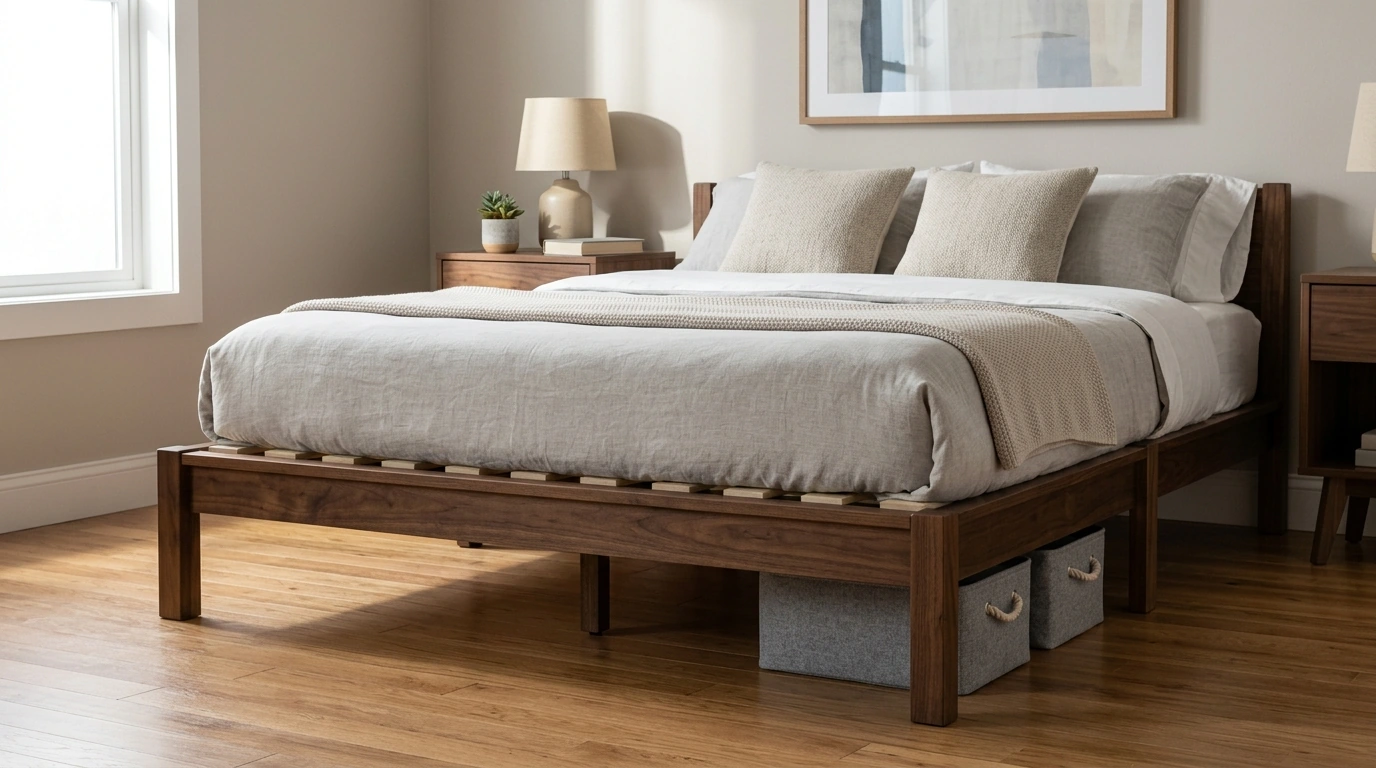
A well-built queen size bed frame does more than simply lift a mattress off the floor. It can make the sleep surface feel steadier, cut down on squeaks and shifting, and create the kind of under-bed clearance that makes cleaning (and sometimes storage) much easier. The best choice usually comes down to correct sizing, reliable support, the right height for the room, and practical features like headboard compatibility or anti-slip details.
A mattress can only perform as well as the base beneath it. A good queen frame helps stabilize the surface so you’re not fighting movement every time you roll over or sit near the edge. Many designs also improve airflow compared with placing a mattress directly on the floor, which can matter in humid climates or rooms where the bed area tends to feel stuffy.
Frame height is another everyday upgrade. More clearance can turn unused space into organized storage bins, while a lower profile can make the room feel calmer and make it easier to get in and out of bed. Finally, the frame sets the visual “anchor” of the bedroom—whether that’s a minimal platform look, classic rails, or a setup designed to pair with a statement headboard.
A standard queen mattress is typically 60 inches by 80 inches, but it’s still worth confirming your mattress label (and measuring if you’re between sizes or upgrading an older set). Reliable sizing references like Sleep Foundation and The Spruce can help you double-check dimensions before ordering.
Queen frames generally fall into a few common categories, and the best option depends on how you want the bed to feel (and whether you already own a foundation).
Platform frames support the mattress with slats or a solid deck and often eliminate the need for a box spring. Slats keep airflow moving; solid decks feel very stable but can reduce ventilation.
This classic setup typically sits higher and relies on a foundation for support. It’s familiar, easy to style, and can be a good match for those who prefer a taller bed height.
Metal frames can be lighter and easier to relocate, but quality varies by steel gauge, welds, and joint design. Wood frames often feel warmer and quieter; sturdier joinery and center support are key for long-term stability.
| Style | Typical feel | Best for | Watch for |
|---|---|---|---|
| Platform (slats) | Low-to-mid profile, modern | Most foam, hybrid, and many innerspring mattresses | Slat spacing, center beam strength, assembly hardware quality |
| Platform (solid deck) | Very firm, stable | Mattresses needing even support | Reduced airflow; weight and moving difficulty |
| Rails + box spring | Classic height, familiar setup | Those who want a taller bed or already own a foundation | Extra cost/height of box spring; squeaks from loose joints |
| Basic metal frame | Minimal, utilitarian | Guest rooms, easy moves | Limited headboard support; may need a bunkie board for some mattresses |
Most “bed frame problems” come down to support and connections. A queen benefits from a center beam and at least one to two center legs to reduce bowing and keep the mattress from dipping in the middle. More contact points can also reduce wobble—especially on hardwood or uneven floors.
Shop the Queen Size Bed Frame, then review delivery details, return policy, and assembly requirements so setup day stays simple.
Matching pieces help the room feel intentional and keep essentials within reach. A balanced setup usually includes nightstands on both sides, plus enough open walkway to move comfortably. For bedside charging and closed storage, consider the Modern Fluted Nightstand Set of 2 with Charging Station.
If you’re rethinking the entire layout (or moving to a larger space), sizing up can change everything from walkway width to dresser placement. For bigger rooms and broader sleeping space, take a look at the Wooden Double King-Size Bed Frame and measure carefully before you commit.
It depends on the support system. Many platform frames are designed to support a mattress without a box spring, while rail-style frames typically require a foundation. Always confirm the mattress support requirements and the frame instructions.
Closer slat spacing generally improves support and helps prevent premature sagging. Many mattresses specify a maximum gap (often around 2–3 inches), so check your mattress tag or manufacturer guidance to stay within requirements.
Tighten the hardware, add rubber or felt pads at contact points, and confirm the frame is level with all legs firmly planted. If slats are involved, make sure they’re seated evenly and not rubbing against the frame.












Leave a comment